
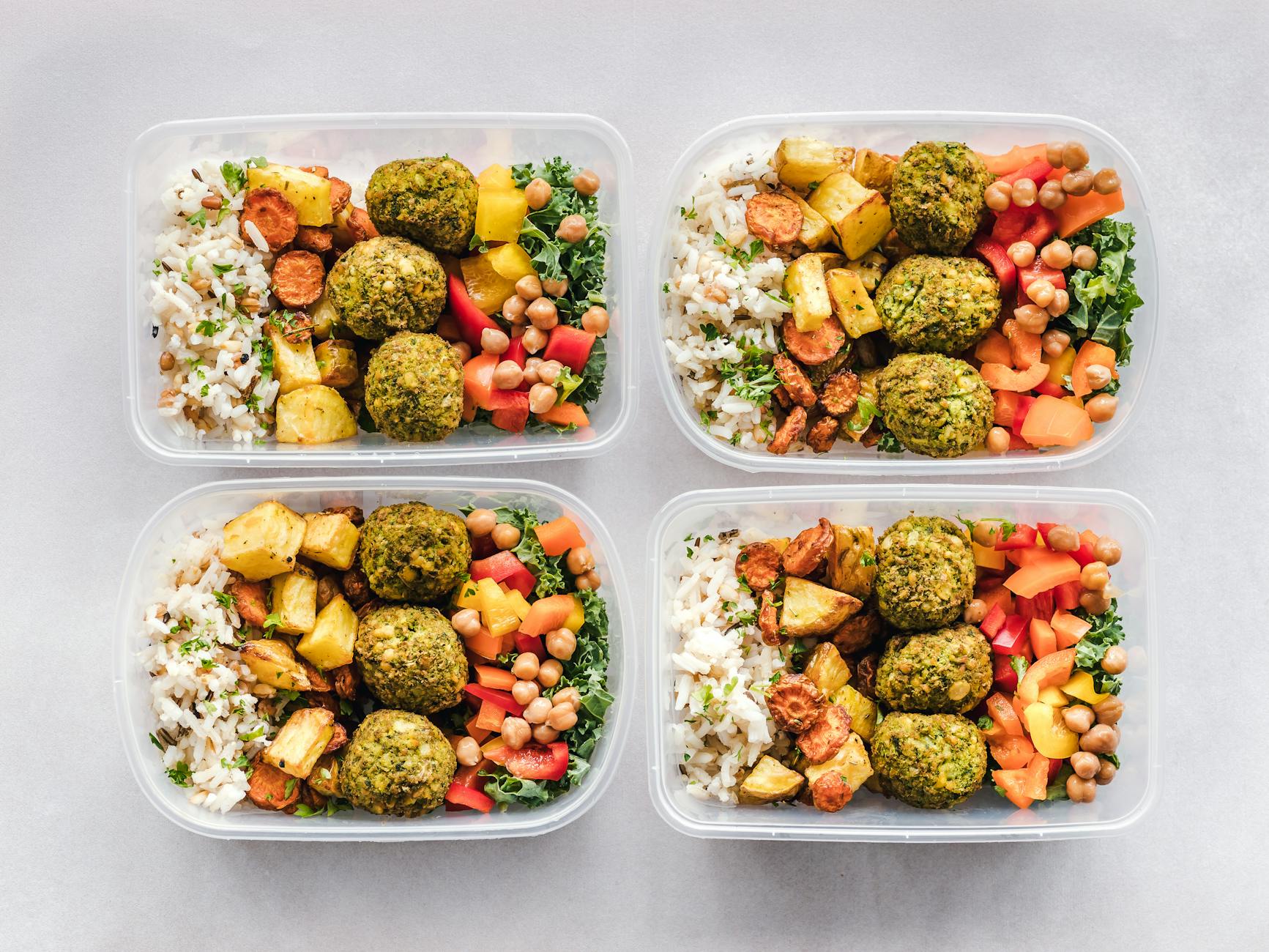
Protein is one of the three macronutrients the human body relies on every day, alongside carbohydrates and fats. It's found in every cell you have. Your muscles, enzymes, hormones, skin, and immune cells all depend on it. Despite that, protein remains one of the most misunderstood parts of everyday eating, with many Australians either consuming far too little or spending too much on supplements they don't need.
What protein actually does in your body
At its core, protein is made up of amino acids. There are 20 of them in total. Nine are classified as "essential", meaning your body can't produce them on its own and you need to get them from food. The remaining 11 your body can synthesise from other compounds.
Protein performs several distinct jobs. It builds and repairs muscle tissue after exercise. It produces enzymes that drive digestion and metabolism. It carries oxygen through the blood via haemoglobin. It also signals the immune system to mount a response when pathogens arrive. Without adequate intake, all of those processes slow down.
One thing protein doesn't do well is store. Unlike fat, which the body holds in reserve, excess dietary protein is either converted to energy or excreted. That's why regular intake across the day matters more than one large dose.
How much protein do you actually need?
The Australian Recommended Dietary Intake (RDI) for protein sits at 0.75 grams per kilogram of body weight per day for sedentary adults. For a 70-kilogram adult, that's about 52 grams daily. Most Australians meet this threshold without trying.
The picture changes for people who train regularly. Sports nutrition research consistently puts the optimal intake for active adults between 1.6 and 2.2 grams per kilogram of body weight. For that same 70-kilogram person, that's 112 to 154 grams per day. Older Australians need more too. Muscle mass declines with age, and research published in journals including the American Journal of Clinical Nutrition suggests adults over 65 benefit from intakes closer to 1.2 to 1.6 grams per kilogram.
Pregnancy and breastfeeding also raise requirements considerably, by roughly 25 grams per day above baseline. Talk to a GP or accredited practising dietitian before making significant changes during those periods.
Best food sources of protein in Australia
Whole food sources beat supplements for most people. The best sources available to Australians include:
- Chicken breast (31 g per 100 g cooked)
- Canned tuna in springwater (25 g per 100 g)
- Eggs (6 g per large egg)
- Greek yoghurt (10 g per 100 g, varies by brand)
- Lentils (9 g per 100 g cooked)
- Tofu, firm (8 g per 100 g)
Animal proteins are described as "complete" because they contain all nine essential amino acids in adequate proportions. Many plant proteins are incomplete, but combining sources across the day, such as rice and legumes, covers the full amino acid profile without needing to be obsessive about pairing at every meal.
Do protein supplements work?
Whey protein, casein, and plant-based protein powders are all legitimate tools when whole food isn't practical, such as immediately after training. They're not magic. A 30-gram scoop of whey protein delivers roughly the same amino acid content as 150 grams of chicken breast. The powder is faster to prepare. That's its only real advantage.
Australian consumers spent over $400 million on sports nutrition products in 2025, yet most people buying protein powder already eat enough protein through food. If you're hitting your daily target through meals, adding a powder on top doesn't produce extra muscle. It produces extra calories.
Check the label carefully. Some protein powders carry added sugars, artificial sweeteners, or thickeners that make the nutritional profile less clean than it appears. Look for products with fewer than five ingredients.
Common mistakes Australians make with protein
The biggest mistake is concentrating protein into one meal. A large steak dinner with almost nothing earlier in the day means the body can only use a fraction of what arrives at once. Muscle protein synthesis responds better to 3 to 4 evenly spaced doses of 20 to 40 grams throughout the day. Breakfast is where most people fall short.
The second mistake is assuming plant-based diets can't deliver enough. They can. It takes planning and a wider variety of foods, but vegans and vegetarians can hit 1.6 grams per kilogram without supplements if they include legumes, tempeh, edamame, and whole grains consistently. What it doesn't work with is a plant-based diet heavy in refined carbohydrates and low in legumes.
Protein also interacts with other areas of health in ways people overlook. If you're managing weight, protein is the most satiating macronutrient and can reduce overall calorie intake naturally. If you're curious about how a calorie deficit works in practice, protein intake is one of the key levers for preserving muscle while losing fat. And if you're thinking about overall food quality rather than individual nutrients, our guide on what a balanced diet actually involves covers how protein fits into the bigger picture.
When to see a professional
Most healthy Australians don't need a dietitian to figure out protein. But there are situations where professional guidance matters: kidney disease, where high protein intake can stress the organs; eating disorders, where macronutrient obsession can be harmful; and elite athletic training, where precise targets make a meaningful performance difference.
The Dietitians Australia website has a practitioner finder that lets you search by postcode and specialty. An accredited practising dietitian can calculate your actual needs based on bloodwork, activity level, and health history rather than a general formula.
For most people, though, the answer is simpler than the supplement industry suggests. Eat protein-rich food at most meals, spread it across the day, and prioritise whole sources over powders. The rest is fine-tuning.