
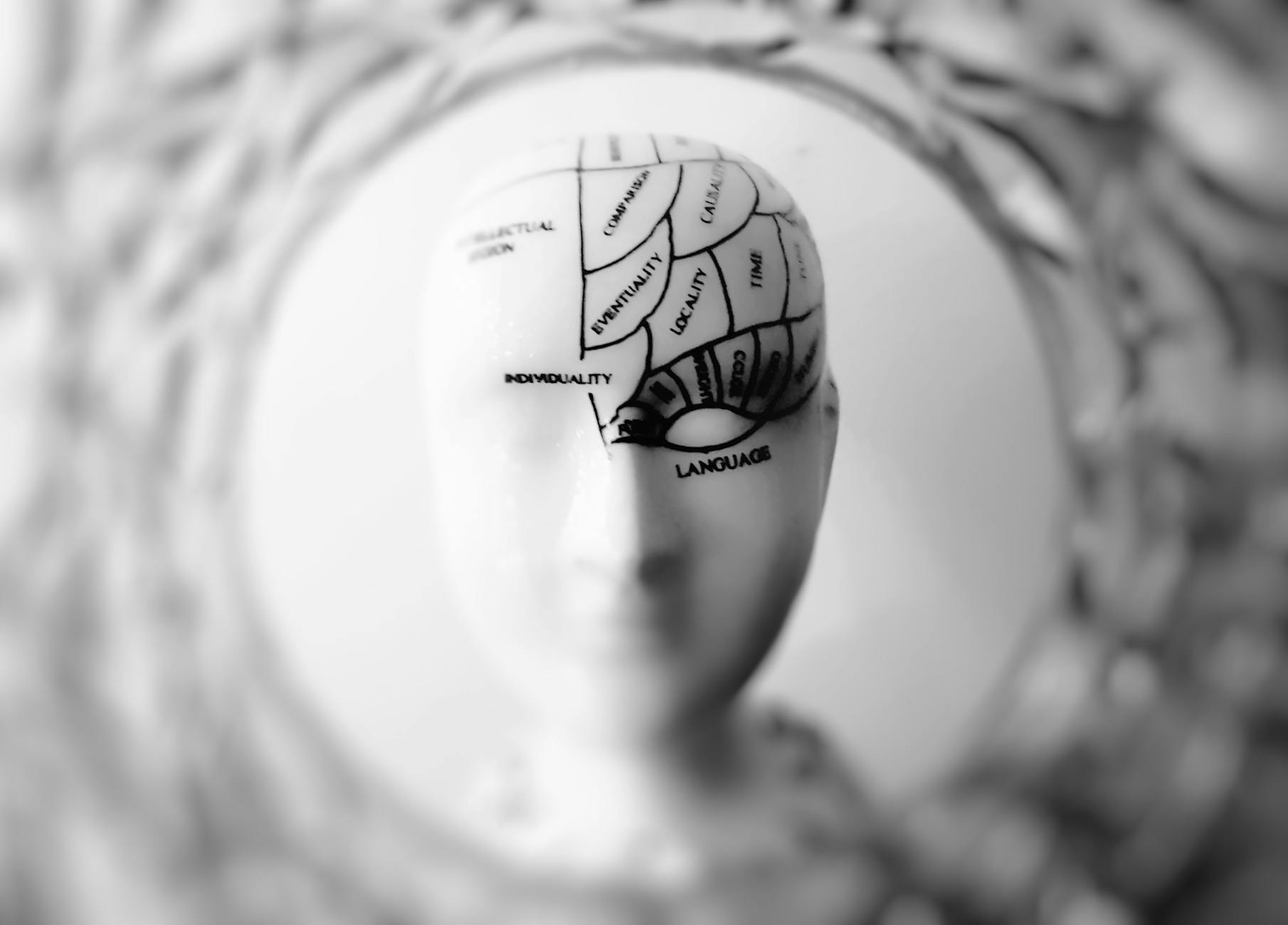
Serotonin gets called the "happiness chemical" so often that the label feels like fact. It isn't. Serotonin is a neurotransmitter that regulates a surprisingly wide range of functions throughout the body, from mood and digestion to blood clotting and sleep. Reducing it to a single feeling badly misrepresents what the molecule actually does, and it leads many Australians to misread their own health.
What serotonin is, exactly
Serotonin (technically 5-hydroxytryptamine, or 5-HT) is a chemical messenger that neurons use to communicate. Your body synthesises it from tryptophan, an amino acid found in foods like eggs, turkey, nuts, and cheese. The synthesis process requires adequate levels of vitamin B6 and iron, which is one reason nutritional deficiencies can affect your mood indirectly. You can read more about how iron levels connect to broader physiological function in our guide on what is iron deficiency and how do you fix it.
Roughly 90 to 95 per cent of the body's serotonin is produced not in the brain, but in the gut. Enterochromaffin cells lining the gastrointestinal tract manufacture the vast bulk of it, primarily to coordinate muscle contractions that move food through the digestive system. Only a small fraction is produced in the brain's raphe nuclei, where it acts as a classical neurotransmitter. This distinction matters because serotonin made in the gut cannot cross the blood-brain barrier, so the two pools operate largely independently.
What serotonin does in the brain
In the central nervous system, serotonin projections reach almost every region of the brain. The raphe nuclei send fibres to the cortex, limbic system, cerebellum, and spinal cord. This broad reach explains why serotonin influences so many things at once: mood regulation, impulse control, appetite, memory consolidation, and pain sensitivity all involve serotonin signalling to some degree.
The relationship with mood is real but indirect. Low serotonin activity is associated with depressive states and anxiety, but the causal direction is harder to pin down than most media coverage suggests. Serotonin doesn't simply "make you happy." It's better understood as a stabiliser, keeping emotional responses proportionate and consistent. When the system is working well, it helps prevent mood from swinging too far in either direction.
Sleep is another major area of serotonin's influence. Serotonin is a precursor to melatonin: the pineal gland converts serotonin into melatonin as daylight fades. This is why exposure to bright light during the day can improve sleep quality at night. More sunlight means more serotonin synthesis, which gives the pineal gland more raw material to work with after dark.
What serotonin does outside the brain
The gut's serotonin system is more complex than most people realise. In the gastrointestinal tract, serotonin coordinates peristalsis (the wave-like contractions that push food along). It also signals between the gut and the brain via the vagus nerve, which is a key part of why gut health and mental health are increasingly studied together. Our explainer on what is gut health and why does it matter covers the gut-brain axis in more detail.
Platelets in the blood also carry serotonin, storing it and releasing it at injury sites to promote vasoconstriction and assist with clotting. This is a completely separate function from its neurological role. Some medications that affect serotonin levels can, as a result, influence bleeding time, which is why doctors ask about antidepressant use before surgical procedures.
Serotonin syndrome: when there's too much
While low serotonin gets most of the attention, too much activity in the serotonin system is genuinely dangerous. Serotonin syndrome occurs when serotonergic drugs are combined in ways that cause excessive receptor stimulation. Symptoms range from agitation, rapid heart rate, and muscle twitching at the mild end, to seizures and dangerously high body temperature in severe cases.
Common triggers include combining selective serotonin reuptake inhibitors (SSRIs) with certain pain medicines, migraine drugs, or supplements like St John's Wort. It's a genuine medical emergency, and the condition is underdiagnosed because the symptoms can look like anxiety or a panic attack in its early stages.
How antidepressants target serotonin
SSRIs, the most widely prescribed antidepressants in Australia, work by blocking the reuptake of serotonin into the presynaptic neuron. This leaves more serotonin available in the synapse for longer. The clinical effect typically takes two to four weeks to appear, which is much longer than the pharmacological effect on serotonin, suggesting that downstream changes in receptor sensitivity are actually driving the therapeutic benefit rather than simple serotonin elevation itself.
The "chemical imbalance" theory of depression, which framed the condition as too little serotonin in the brain, has been substantially revised by researchers over the past decade. A 2022 review published in Molecular Psychiatry found no consistent evidence that people with depression have lower serotonin levels. This doesn't mean SSRIs don't work. It means the mechanism is more complex than a simple top-up model implies.
What affects your serotonin levels naturally
Several lifestyle factors influence serotonin synthesis and receptor sensitivity. Physical exercise increases serotonin release and stimulates the production of tryptophan hydroxylase, the enzyme that converts tryptophan into serotonin. Even a 30-minute walk has a measurable effect on serotonin activity in the brain.
Diet matters too. Tryptophan competes with other large amino acids to cross the blood-brain barrier, so a high-carbohydrate meal actually increases brain tryptophan uptake by triggering insulin release, which draws competing amino acids into muscle tissue. Sunlight exposure directly stimulates serotonin synthesis via skin receptors independent of vitamin D production. Social interaction and a sense of social status have also been shown to influence serotonin activity, particularly in the limbic system.
Chronic stress is one of the most reliable suppressors of serotonin function. Cortisol, the primary stress hormone, inhibits tryptophan hydroxylase activity over time. This is part of the biological bridge between long-term psychological stress and depressive symptoms, and it's why lifestyle factors can't always compensate for a high-stress environment on their own.
The bottom line
Serotonin is not a happiness chemical. It's a versatile signalling molecule that plays a central role in digestion, blood clotting, sleep, mood regulation, and appetite. Its relationship with mental health is real but indirect. Understanding what it actually does makes it easier to interpret medical advice, question oversimplified wellness claims, and make sense of how your body responds to food, light, exercise, and stress.