
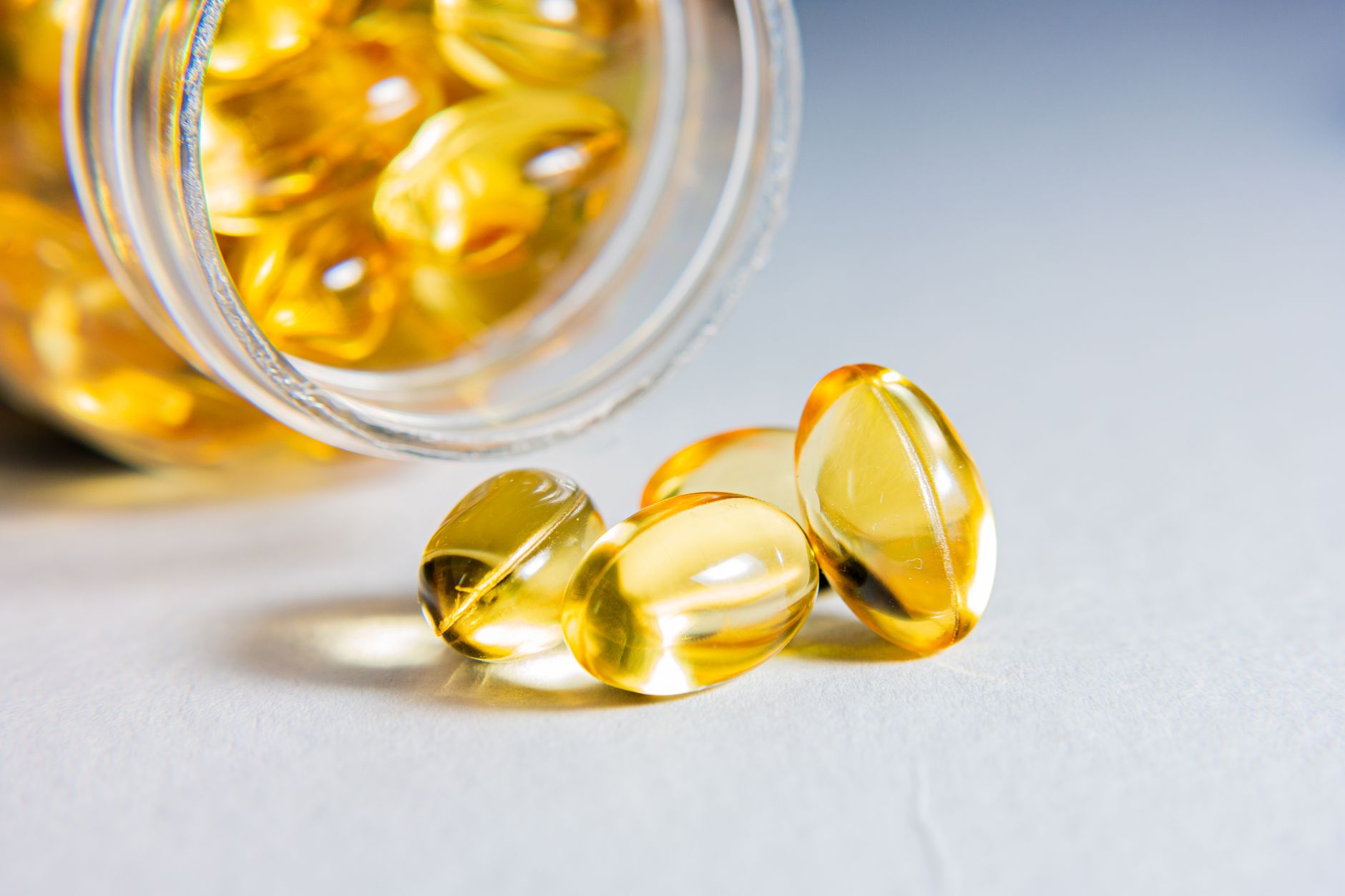
Vitamin D is sometimes called the "sunshine vitamin," and for good reason. Your body produces it when skin is exposed to ultraviolet B (UVB) rays from the sun. Despite Australia's reputation for long, bright days, a significant portion of the population is deficient in vitamin D. Understanding what this nutrient does, why so many people fall short, and how to address it is genuinely useful for everyday wellbeing.
What vitamin D actually is
Vitamin D is a fat-soluble vitamin that functions more like a hormone than a typical nutrient. Once your skin synthesises it from sunlight (or you absorb it from food and supplements), it travels to the liver and kidneys, where it is converted into its active form, calcitriol. That active form then regulates a wide range of bodily processes, from calcium absorption in the gut to gene expression in immune cells.
There are two main dietary forms: vitamin D2 (ergocalciferol), found in some plant-based foods and fortified products, and vitamin D3 (cholecalciferol), found in fatty fish, egg yolks, and liver. Vitamin D3 is also what the skin produces in response to sunlight, and research consistently shows it raises blood levels of vitamin D more effectively than D2.
What vitamin D does in the body
The most well-established role of vitamin D is in bone health. It helps the body absorb calcium and phosphorus, two minerals that keep bones dense and strong. Without adequate vitamin D, bones can become thin and brittle, a condition known as osteomalacia in adults and rickets in children.
Beyond bones, vitamin D plays a meaningful role in immune function. Receptors for the vitamin are found on virtually every immune cell, and low levels have been associated with a higher susceptibility to respiratory infections. Research has also linked vitamin D deficiency to increased risk of autoimmune conditions, cardiovascular disease, and certain cancers, though the evidence is stronger for some of these than others.
There is growing interest in vitamin D's relationship with mood and mental health. Some studies have found associations between low vitamin D levels and higher rates of depression, though it remains unclear whether the deficiency causes low mood or whether both share a common root. For a broader look at how physical and mental wellbeing intersect, what is mental health and why does it matter explores the full picture in plain language.
Why deficiency is common in Australia
The apparent paradox of vitamin D deficiency in a sun-drenched country like Australia has a few explanations. The first is skin cancer awareness. Australians are rightly cautious about UV exposure, with public health campaigns encouraging sunscreen use, protective clothing, and shade-seeking during peak UV hours. This behaviour, while important for reducing melanoma risk, also reduces the body's ability to produce vitamin D.
The second factor is geography and season. In southern cities like Melbourne, Hobart, and even Adelaide, winter UV levels are too low for meaningful vitamin D synthesis for several months of the year. People living in these areas can deplete their stores over winter, particularly if they work indoors.
Skin tone also plays a role. Darker skin contains more melanin, which acts as a natural filter against UV radiation. While this offers some protection from sun damage, it also means more sun exposure is needed to produce the same amount of vitamin D. This makes people with darker skin tones more vulnerable to deficiency, particularly in southern regions.
Other risk groups include the elderly (whose skin is less efficient at producing vitamin D), people who are housebound or institutionalised, those who cover their skin for cultural or religious reasons, and people with obesity (vitamin D can be sequestered in fat tissue and become less bioavailable).
How to know if you're deficient
Vitamin D deficiency often produces no obvious symptoms, especially in the early stages. When symptoms do appear they can include fatigue, bone or muscle pain, and a general sense of not feeling well. These are easy to attribute to other causes, which is partly why deficiency goes undetected.
The only reliable way to know your vitamin D status is through a blood test measuring serum 25-hydroxyvitamin D. Your GP can order this test, and it is bulk-billed in many circumstances. In Australia, a level below 50 nanomoles per litre is generally considered deficient, while levels between 50 and 75 nmol/L may be classified as insufficient depending on the clinical context.
How to address low vitamin D
For most people, a combination of sensible sun exposure, dietary sources, and supplementation can bring vitamin D levels back to a healthy range. Safe sun exposure does not mean burning. In summer, brief exposure of the face, arms, and hands for a few minutes around the middle of the day is often sufficient. In winter, particularly in southern Australia, longer exposure may be needed, and the window of useful UV is narrower.
Food sources of vitamin D include oily fish such as salmon, mackerel, and sardines, as well as eggs and some fortified foods including certain milks, plant-based milks, and breakfast cereals. However, it is difficult to meet requirements through diet alone without significant effort.
Vitamin D supplements are widely available and, when prescribed or recommended by a GP, can correct deficiency relatively quickly. Standard supplementation doses typically range from 1,000 to 2,000 IU per day for maintenance, though higher therapeutic doses may be used under medical supervision to correct severe deficiency. Keeping vitamin D in balance is one piece of the larger puzzle of a healthy lifestyle. For practical guidance on eating well, what is a balanced diet and why does it matter is a helpful starting point.
A note on not overdoing it
Vitamin D toxicity is possible, though it almost always results from excessive supplementation rather than sun exposure or diet. Symptoms of toxicity include nausea, weakness, and dangerously high blood calcium levels. This is why testing before supplementing at high doses is advisable, and why taking very high doses without medical guidance is not recommended.
For most Australians, the goal is modest: get enough sun without burning, eat a varied diet that includes some vitamin D-rich foods, and talk to a GP if fatigue, bone pain, or other symptoms suggest something might be off. A simple blood test is often all it takes to find out where you stand, and addressing a deficiency can make a genuine difference to how you feel day to day.