
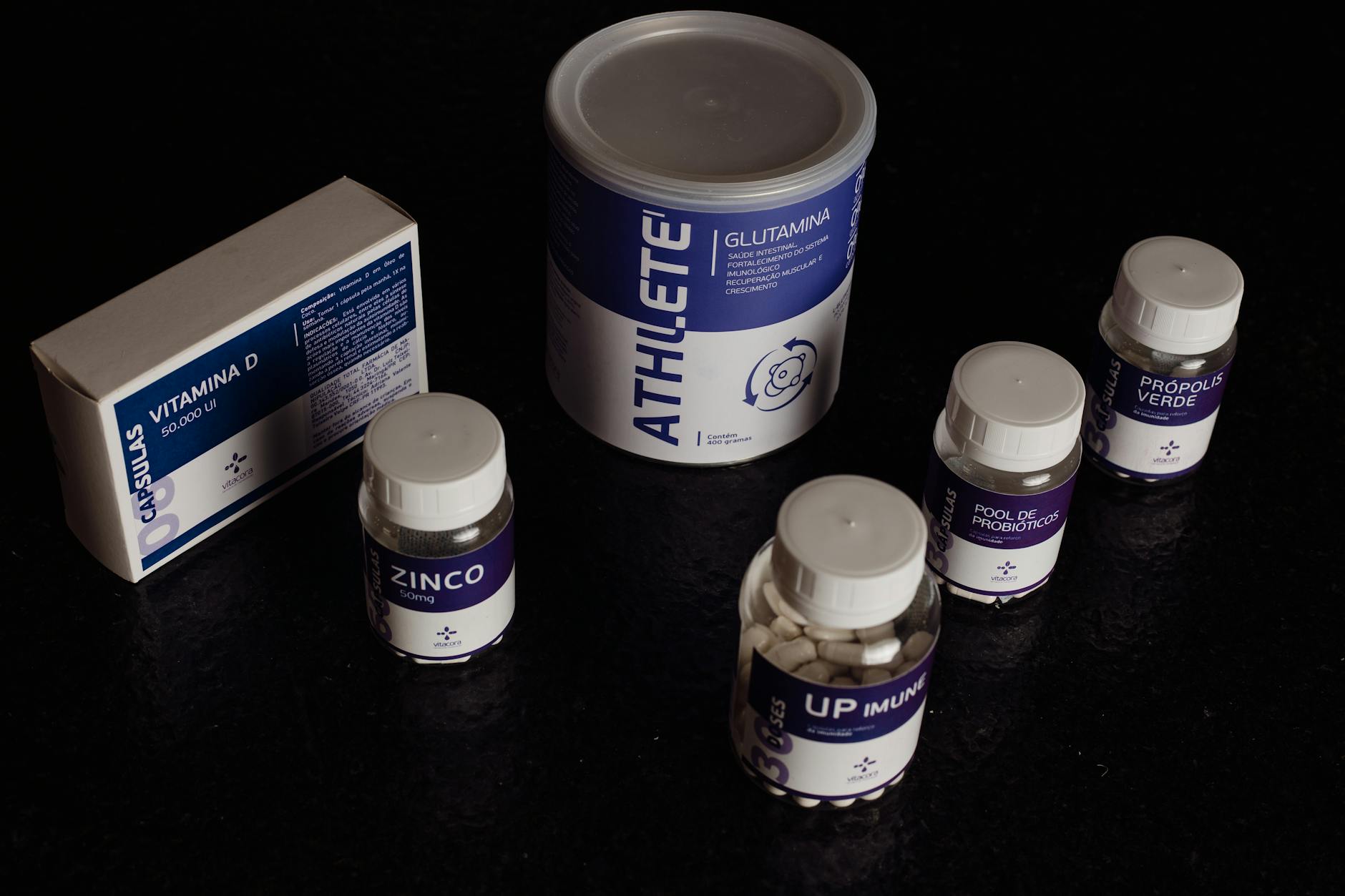
Zinc is one of those nutrients that rarely gets the attention it deserves. It sits quietly behind hundreds of biological processes, and when you don't get enough, the effects are easy to misread as something else entirely. Persistent colds, slow-healing cuts, dull skin, or a blunted sense of taste and smell can all trace back to low zinc. It's the second most abundant trace mineral in the human body after iron, present in every cell, and yet deficiency affects an estimated 2 billion people worldwide.
What zinc actually does in the body
Zinc acts as a cofactor for over 300 enzymes. That means it's required for those enzymes to do their jobs, from breaking down carbohydrates and proteins to synthesising DNA. Without adequate zinc, these processes slow down or stall. The immune system is one of the first things to suffer. Zinc supports the production and activation of T-cells, the white blood cells that identify and destroy pathogens. It also regulates inflammation, which is why a zinc deficiency can leave the immune response both weaker and more erratic.
Wound healing is another area where zinc earns its place. It's critical for collagen synthesis, cell proliferation, and the inflammatory response that kicks in immediately after tissue damage. Surgeons have long known that patients with low zinc levels heal more slowly after operations. Zinc also plays a direct role in skin integrity, which is why deficiency often shows up as dry, flaking skin or acne that won't respond to typical treatments.
Beyond immunity and skin, zinc is involved in producing and regulating testosterone, supporting normal growth and development in children, and maintaining sensory function. The loss of taste and smell, particularly notable during viral illness, is strongly linked to zinc status. Some researchers believe this connection explains why zinc lozenges appear to shorten the duration of common colds when taken within 24 hours of symptom onset, though the evidence is more consistent for some zinc compounds than others.
Zinc also interacts closely with other hormones and nutrients. It works alongside vitamin B12 in supporting neurological function, and the two deficiencies often appear together in people eating a restricted diet. Zinc also influences how the body stores and releases insulin, making it relevant to blood sugar regulation.
How much zinc do you need?
The recommended dietary intake for zinc in Australia is 14 mg per day for adult men and 8 mg per day for adult women, with higher requirements during pregnancy and breastfeeding. Most Australians who eat a varied diet get close to these targets, but certain groups are at higher risk of deficiency. Vegetarians and vegans are particularly vulnerable because plant-based foods contain phytates, compounds that bind to zinc and reduce how much the gut absorbs. Red meat and shellfish are the richest and most bioavailable sources. Oysters contain more zinc per gram than any other food. Beef, lamb, pumpkin seeds, chickpeas, and cashews are also solid sources.
Older adults absorb zinc less efficiently as gut function changes with age. People with inflammatory bowel conditions such as Crohn's disease or ulcerative colitis often struggle to absorb zinc from food regardless of intake. Heavy alcohol use depletes zinc because the kidneys excrete more of it when alcohol is present in the bloodstream.
Signs you might be low in zinc
Zinc deficiency rarely presents as a single obvious symptom. It tends to accumulate quietly. The most common signs include:
- Frequent or prolonged colds and infections
- Wounds that take longer than expected to heal
- Hair thinning or loss
- Reduced sense of taste or smell
- Persistent skin issues including acne or eczema
- Slow growth in children
Because these symptoms overlap with so many other conditions, a blood test is the only reliable way to confirm deficiency. Serum zinc is the standard measure, though it doesn't capture zinc stored in cells, so results need to be interpreted alongside symptoms and dietary history.
Should you take a zinc supplement?
Zinc supplements are widely available in Australia, typically in the form of zinc gluconate, zinc citrate, or zinc picolinate. The picolinate and citrate forms are absorbed more easily than zinc oxide, which is often used in lower-cost products. Taking zinc with food reduces nausea, a common side effect at higher doses. Zinc and copper compete for absorption, so taking high-dose zinc supplements long-term can deplete copper levels. The upper safe intake level for zinc in Australia is set at 40 mg per day for adults. Chronic intake above that threshold causes problems rather than solving them.
If you're eating a varied diet that includes meat, legumes, nuts, and seeds, supplementation probably isn't necessary. If you're vegan, regularly ill, recovering from surgery, or older than 60, it's worth discussing zinc status with a GP or dietitian rather than self-prescribing. The same principle applies to inflammation-related conditions: much like chronic inflammation, zinc deficiency is something that responds well to targeted action once it's properly identified.
Getting zinc from food first
The most reliable way to maintain zinc status is through diet. Three oysters deliver roughly 30 mg of zinc. A 100 g serve of lean beef provides around 8 mg. Pumpkin seeds are a practical plant-based option, with about 7 mg per 100 g, though the phytate content means less of that reaches circulation compared with the meat sources. Soaking legumes and grains before cooking reduces phytate content and improves zinc absorption from plant foods.
Zinc doesn't get the profile of magnesium or vitamin D in Australian health conversations, but the evidence for its importance is just as solid. Getting a blood test if you suspect deficiency costs less than most supplement bottles, and gives you an answer rather than a guess.