
The AFL preseason is the stretch of time between the end of one season and the opening bounce of the next, and it's arguably where premierships are won or lost. Fans don't watch most of it. Club insiders rarely talk about it publicly. But every list manager, fitness coach, and playing group knows that what happens between October and February will determine how competitive their club is for the eight months that follow.
When does the AFL preseason start and finish?
The preseason typically begins in late October, shortly after the AFL Grand Final. Clubs recall players from holidays and begin what's known as the "base phase" — a block of high-volume conditioning work designed to rebuild the aerobic fitness that gets drained across a long season. This phase runs through November and into December, with training loads gradually increasing.
Christmas is a short break, but it's not a full shutdown. Most clubs keep players on supervised programs through the holiday period. By January, training is full-contact and close to game intensity. The AFL's preseason competition, currently called the AFL Community Series, runs in February and gives clubs 1 to 2 hitouts against other sides before Round 1 of the home-and-away season begins in March.
What actually happens during preseason training?
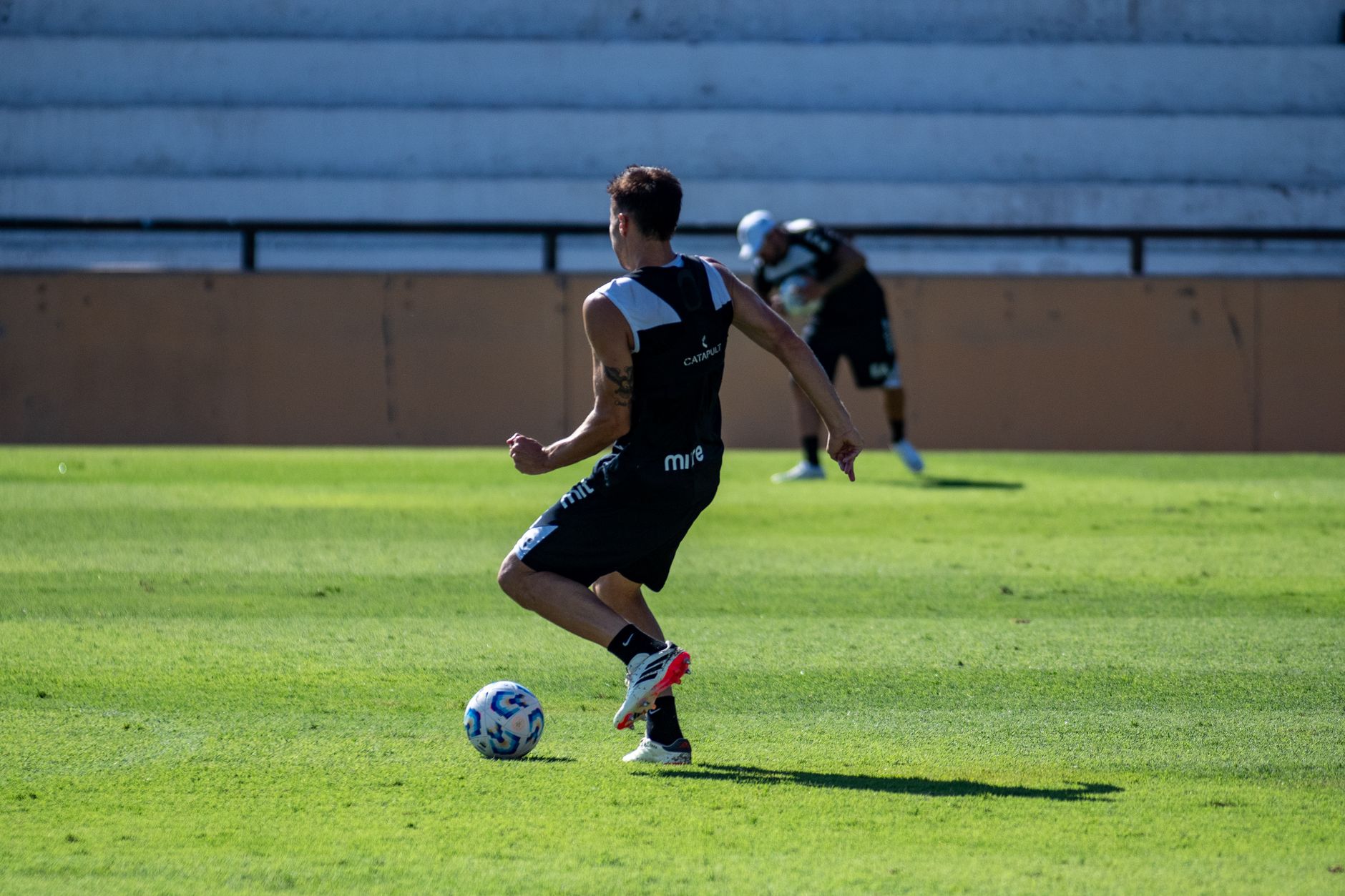
Preseason training has three broad phases. First comes conditioning: long runs, time trials, and gym work to build the physical platform. Second is skill integration: players working their game mechanics into high-fitness environments so they don't break down technically under pressure. Third is tactical implementation: the coach's game plan gets drilled through controlled match simulations and intraclub scratch matches.
It's during that third phase that new signings genuinely start to fit in. A player traded from another club in October hasn't just moved to a new postcode. They've moved to a new defensive structure, a new forward press, a different set-shot routine. Preseason is where those adjustments happen under lower stakes. That context matters when you consider how the AFL trade period reshapes club lists every year. The deals signed in October only pay off if the preseason actually beds the new players in.
The role of fitness testing
Fitness testing is a fixture of the AFL preseason and a genuine public event. The most famous test is the 2-kilometre time trial, which every player at every club runs at roughly the same time in November. The results are closely watched. A player who comes back carrying extra weight or records a slow time will face scrutiny from coaches and from the media.
Other standard tests include the yo-yo intermittent recovery test (measuring aerobic capacity), vertical jump assessments, and GPS-tracked training sessions that record distance covered and top speed. Clubs use this data to build individual load targets for each player across the full year. It isn't guesswork. It's structured sports science, and it's been a core part of AFL preparation since the mid-2000s.
What happens with injured players?
For players recovering from injury, the preseason is everything. A forward who ruptured an ACL in June has roughly 9 months to return before Round 1. That window maps almost exactly onto the preseason. The player progresses through individual rehabilitation, then group running drills, then contact training, and ideally clears all hurdles before the competition starts.
Not everyone makes it. Some players enter Round 1 underdone, which is why clubs manage workloads carefully and why medical staff sit at the very centre of preseason planning. Missing preseason through injury doesn't just delay a return. It delays the tactical integration that's just as important as the physical recovery.
How the draft connects to preseason
The AFL national draft takes place in November, which means incoming draftees arrive at clubs mid-preseason. This is a big adjustment for 18-year-olds used to state league or school football. The training volumes are higher, the contact is harder, and the GPS data reveals exactly how much work each player is doing relative to teammates. Understanding how the AFL draft works helps explain why clubs invest so heavily in player welfare programs during this period. The best-supported clubs get their new draftees up to speed faster.
Why the preseason community series matters
The AFL Community Series replaced the previous JLT Community Series and NAB Challenge competition formats that ran through the 2010s. It consists of short, lower-intensity matches played at regional grounds and smaller suburban venues across the country, designed to bring AFL football to communities that rarely host home-and-away games.
For clubs, the matches are primarily about game time rather than results. Coaches rotate heavily. Players who need hitouts get them. Young players on the fringe of selection get a chance to push their case. The scores don't count. The footage from those games, however, absolutely does. Selectors watch every minute.
What separates clubs that use preseason well
The clubs that consistently convert preseason work into results tend to share a few traits. They don't overload their senior players with unnecessary contact sessions. They give emerging players genuine opportunities in the intraclub games rather than defaulting to established pecking orders. And they nail the non-negotiables early: fitness base, game plan clarity, and injury management.
Clubs that waste preseason often do so in predictable ways. They bring players back from injury too quickly. They try to implement a complex new game system in 12 weeks without the tactical infrastructure to support it. Or they peak too early, arriving at Round 1 mentally and physically fatigued from a preseason that was too intense for too long.
The preseason isn't televised. It doesn't generate grand final memories. But it's where the serious work of building a football team actually takes place.