
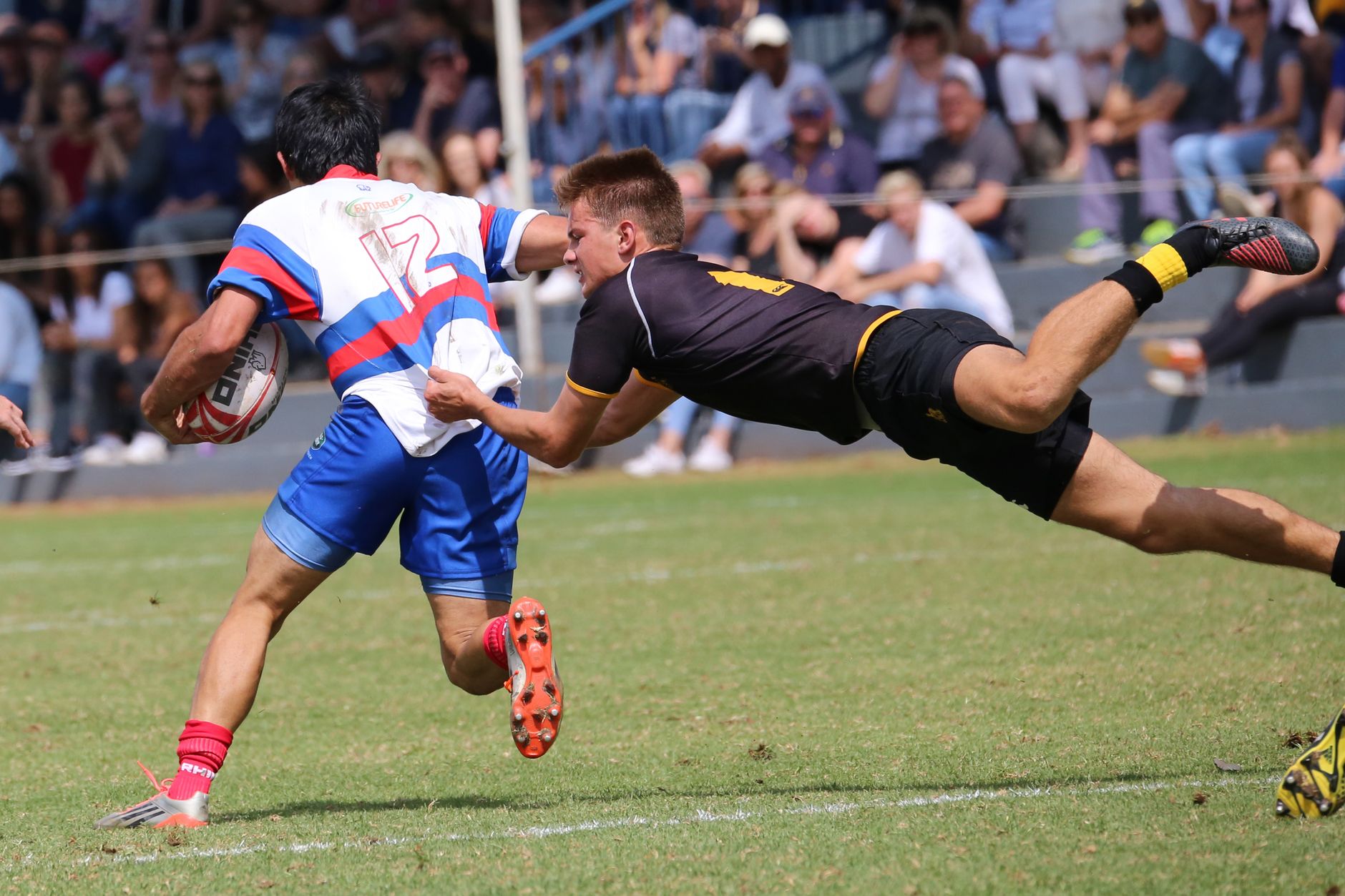
The NRL Auckland Nines is a pre-season rugby league tournament played with nine players per side instead of the standard thirteen. It has been held at Eden Park in Auckland, New Zealand, and it compresses the pace of the game into something almost unrecognisable to fans used to the regular season. It's loud, colourful, and deliberately designed to entertain a crowd that wants tries, not grinding forward packs.
The basics: nine players, shorter halves, different rules
Each team fields nine players on a full-sized field. Matches run for two halves of nine minutes each. That's right. Eighteen minutes of football, total. Scrums are uncontested and reduced to just three players per side, which keeps the game moving and cuts the injury risk that uncontested scrums can create in traditional formats. Tackles are limited to five per set, the same as in the regular NRL season, but the smaller number of players on the field means there's far more open space to exploit.
Tries are worth four points. There are no conversions. That single rule change speeds up the game enormously, because teams don't waste time setting up kicks after every score.
How the tournament is structured
All 16 NRL clubs plus invited representative sides participate. Teams are drawn into pools of four. Every team plays every other team in their pool in the group stage, with the top two from each pool advancing to a knockout bracket. The knockout rounds run through quarter-finals, semi-finals, and a final, all completed over a single weekend.
Clubs send a mix of established first-graders and development players. Because the format is pre-season and the rules are different from the main competition, younger players who wouldn't normally get NRL minutes get a genuine look against quality opposition. Some coaches use the Nines to trial combinations and see how certain players handle high-pressure moments in front of a proper crowd.
Why it was created
The NRL launched the Auckland Nines in 2014 to grow the game in New Zealand and give rugby league a high-profile pre-season event. Eden Park, with a capacity of around 50,000, gives it a real big-event feel. New Zealand has a loyal rugby league following, particularly among the Pacific Island communities in Auckland, and the Nines gave those fans a chance to see their NRL clubs before the season began.
The format also borrows something from Sevens rugby: shorter matches, aggressive running lines, and the sense that anything can happen at any moment. It works for the same reasons.
The role of the salary cap in team selection
Clubs don't count Nines squads toward their main-season list or salary cap obligations in the same way they do for regular-season games. This is a deliberate design choice. It lets clubs bring in additional players without the usual financial constraints, which is part of why development talent gets real exposure during the tournament. Understanding how the NRL salary cap works in the main season makes the contrast clearer: the Nines operates almost in a parallel world, financially speaking.
Discipline and suspensions at the Nines
On-field discipline still applies. Referees can issue sin bins, and dangerous contact is penalised. Charges that arise from Nines matches can go before the standard disciplinary process, just as regular-season incidents do. The NRL judiciary system handles any serious charges that come out of the tournament in the same way it handles incidents from State of Origin or finals football.
Notable moments and winners
The Sydney Roosters won the inaugural tournament in 2014, and the event quickly built a reputation for producing unexpected results. Because the format is so different from the thirteen-a-side game, clubs with strong, fast outside backs tend to have an edge over teams built around big forwards. The Dragons, Warriors, and Roosters have each been strong performers across different editions.
Eden Park's crowd atmosphere is a genuine part of the event's identity. Fans dress in elaborate costumes, the stadium fills early, and the quick succession of matches creates a festival feel. It doesn't feel like a training run. It feels like a competition.
Criticism and debate
Not everyone loves the Nines. Some coaches have argued it disrupts pre-season preparation, particularly for younger players still building their fitness base. A fast-moving nine-a-side game demands different conditioning than an eighty-minute thirteen-a-side contest, and there's a risk that players get a false read on where they're at physically.
Injury risk is also a concern. Pre-season tournament injuries can derail a player's opening rounds, which matters enormously given how tight the NRL finals picture can be when even a single game separates teams on the ladder. Several clubs have quietly limited which players they expose to the Nines for exactly this reason.
The NRL has reviewed the format periodically, including whether to continue holding it in Auckland or shift it elsewhere. The event hasn't run every year, with the COVID-19 pandemic interrupting its schedule in the early 2020s. Its future in any given year depends on broadcast deals, venue availability, and the NRL's broader pre-season planning.
Why it still matters
Despite the debate, the Auckland Nines delivers something the regular NRL calendar can't: a concentrated, accessible, high-scoring showcase of the game's talent before the season proper begins. For New Zealand fans, it's still the most prominent live rugby league event held on their soil. For clubs, it's a public training ground. For younger players, it can be career-defining. Seventeen minutes of football can look very different when 40,000 people are watching.
It doesn't replace anything. It just adds one more layer to a competition that's already one of Australia's most watched sporting products.