
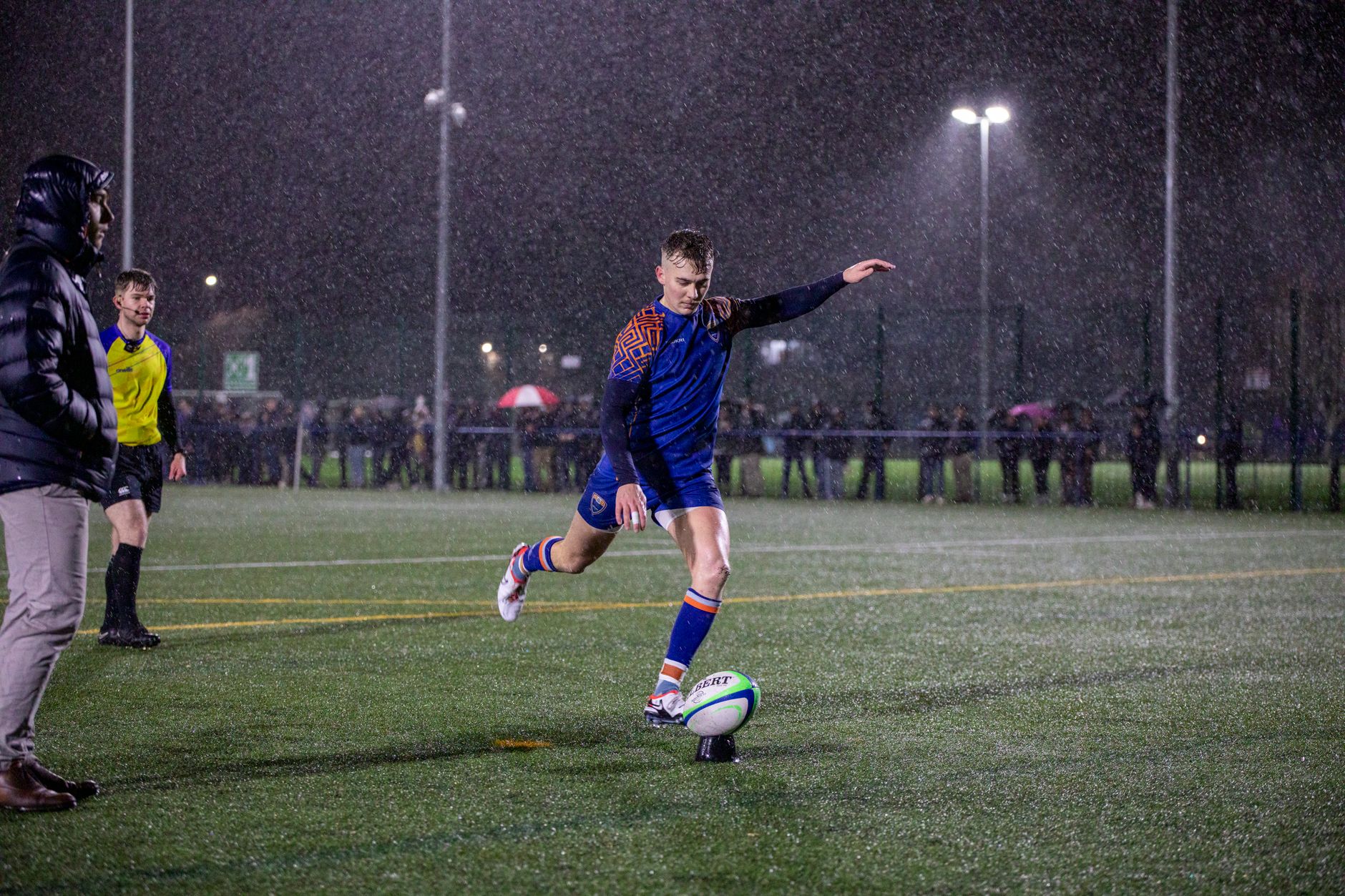
The NRL State of Origin is the most watched domestic rugby league event in Australia, drawing television audiences that routinely exceed 3 million viewers per match. It's a best-of-three series between Queensland and New South Wales, played in the middle of the NRL regular season, and it has a reputation for producing some of the most brutal and technically brilliant football the game has to offer. But the rules and selection criteria confuse many newcomers. This guide explains exactly how State of Origin works.
Why it's called State of Origin
Before 1980, interstate rugby league matches selected players based on the club they currently played for. A Queensland-born player signed to a Sydney club would represent New South Wales. That system disadvantaged Queensland heavily, because the strongest Queensland players nearly all moved to Sydney clubs for better pay. The "origin" rule changed everything. From 1980 onwards, players represent the state where they first played senior representative football, regardless of where their NRL club is based. A player who grew up in Ipswich and debuted for the Queensland Maroons remains eligible for Queensland even if he's spent his entire NRL career at the Sydney Roosters. That single rule transformed the series into something genuinely competitive.
How the series is structured
State of Origin runs as three matches played across the home-and-away NRL season, typically in May, June, and July. The venues rotate between Queensland and New South Wales, with one game usually held at a neutral or interstate venue. Suncorp Stadium in Brisbane and Accor Stadium in Sydney host most matches. The team that wins two or more games takes the series. A 1-1 scoreline heading into Game 3 is common, which gives the decider an enormous amount of weight.
Each squad consists of around 17 players for match-day, with an extended training squad named by the respective state coaches beforehand. The NRL grants a formal exemption that allows Origin players to miss their club fixtures during selection windows, which is one reason the scheduling draws occasional criticism from club coaches who lose key players mid-season.
Who can play and how eligibility works
The eligibility rule is the heart of the competition. A player locks in their state on the first occasion they represent either Queensland or New South Wales at any level of the representative pathway, from under-18 level upward. Once that choice is made, it's permanent. Players born outside Australia can also be eligible if they qualify for Australia under NRL international rules, and their state is determined by where they first played representative football in Australia.
The NRL's selection rules also block players from switching states mid-career, even if they relocate permanently. This has occasionally created tension: some players who grew up in Queensland but debuted for New South Wales have spoken publicly about regretting the decision. It can't be undone.
International players are a separate consideration. A player representing another nation (such as Tonga or Samoa) at international level is generally ineligible for State of Origin, since the NRL classifies them as international rather than domestic representatives. That rule has narrowed the talent pool for both states as more Pacific Island players have opted to represent their heritage nations at Test level.
Coaching and selection culture
State of Origin coaching appointments are taken seriously at an institutional level. Queensland has traditionally appointed coaches with strong Maroons ties, often former Origin players themselves. New South Wales coaches have faced greater scrutiny historically, given the Blues' lengthy losing streak during the 2000s, when Queensland won eight consecutive series from 2006 to 2013.
Selection debates are a genuine part of Australian sporting culture. The announcement of each Origin squad generates significant media coverage, with commentators and fans debating inclusions for weeks beforehand. Certain positions, particularly halfback and hooker, attract especially fierce scrutiny. A player's club form in the weeks immediately before selection can determine whether they make the squad or miss out entirely.
What makes it different from club football
State of Origin matches play faster and hit harder than regular NRL matches. The combination of representative pride, inter-state rivalry, and the best players from both states produces a standard of football most club rounds don't match. Defences are tighter, the ruck speed is faster, and the physicality in the first 20 minutes of each game is often exceptional.
For players, representing their state is a career milestone that carries genuine prestige. Debuts are announced publicly and often accompanied by personal tributes from coaches and teammates. A player who earns 10 or more Origin appearances is considered an elite contributor to the series. Those with 30-plus appearances are genuine legends of the game.
Understanding how Origin fits into the broader competition picture is easier if you're already familiar with how the NRL salary cap works, since clubs factor Origin selection into player valuations and contract negotiations. Players with a track record of Origin selection command higher salaries, and clubs in both states use Origin eligibility as a recruitment tool.
The Queensland-New South Wales rivalry in numbers
Queensland has won more State of Origin series overall since the competition began, with the eight-series winning streak from 2006 to 2013 representing the most dominant era in the history of the contest. New South Wales reclaimed consistent success from around 2018 onwards. The rivalry remains genuinely even across the full history of the series, which is part of why it retains its status as appointment viewing for Australian sports fans.
For context on how player discipline intersects with Origin selection, the NRL judiciary process can directly affect squad availability. A player charged and suspended in the lead-up to an Origin match misses out, regardless of how important they are to their state's game plan. Suspensions at Origin time are among the most scrutinised outcomes from any judiciary sitting during the season.
Where to watch State of Origin
In Australia, State of Origin is broadcast by Nine Network on free-to-air television and streamed via 9Now. Pay television coverage is available through Fox League. The NRL also provides international streaming options through its digital platforms. Kick-off times are typically 8:00 pm AEST, making it accessible for the evening audience across the eastern seaboard.
State of Origin has been played in every year since 1980 with no break in the competition calendar. It's an institution in Australian sport, and for the millions of Queenslanders and New South Welshmen who treat it as the most important three nights on the sporting calendar, the result of each series carries weight that goes well beyond the trophy.