
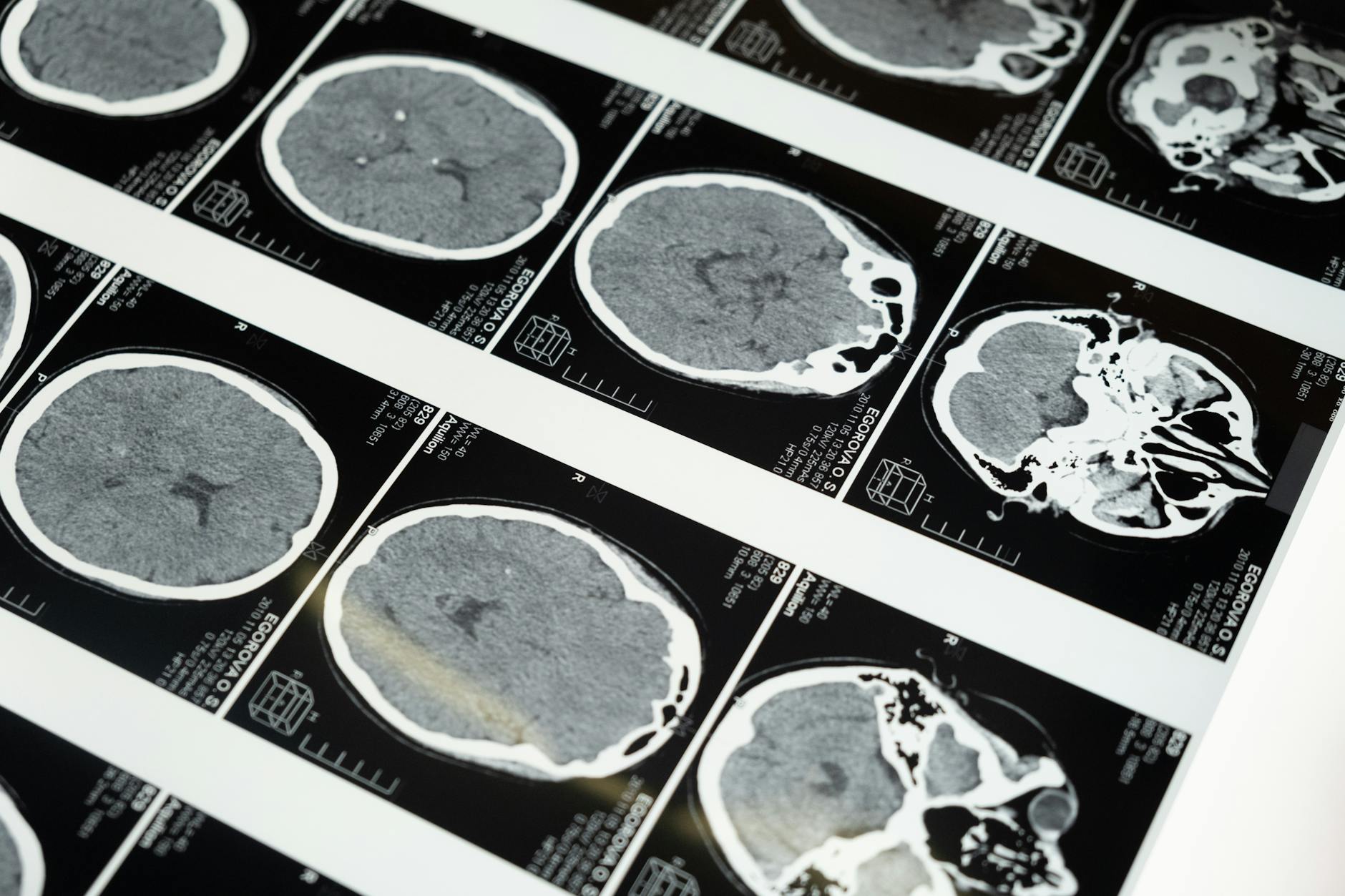
The glymphatic system is a network of channels in the brain that flushes out metabolic waste products, including proteins linked to Alzheimer's disease. It was first described by neuroscientist Maiken Nedergaard and her team at the University of Rochester in 2013, and it upended decades of thinking about how the brain manages its own waste. Unlike the rest of your body, the brain doesn't have a traditional lymphatic system to carry away cellular debris. The glymphatic system is its workaround.
What the glymphatic system actually does
During waking hours, your brain burns through enormous amounts of energy and produces waste as a byproduct. One of those waste products is amyloid-beta, a protein that accumulates in sticky plaques associated with Alzheimer's disease. Another is tau, a protein that forms tangles in brain tissue. The glymphatic system clears both.
The word "glymphatic" blends "glial" (referring to the brain's support cells) and "lymphatic" (the body's standard waste network). The system runs along blood vessels in the brain, using cerebrospinal fluid (CSF) to flush through a series of channels lined by cells called astrocytes. CSF enters brain tissue, sweeps through these channels, picks up waste, and drains it out toward the body's lymphatic vessels in the neck.
Think of it as a slow, pressurised rinse cycle. The fluid doesn't rush through. It seeps, and that seeping takes time.
Why it works best when you're asleep
Here's the part that surprised researchers: the glymphatic system is up to 10 times more active during sleep than while you're awake. The reason is mechanical. When you sleep, the brain's cells shrink by roughly 60 percent, opening up space between them and allowing CSF to flow far more freely. Waking up collapses that space again and effectively throttles the cleaning process.
Deep, slow-wave sleep appears to be the most important phase for glymphatic clearance. This is the same stage associated with memory consolidation and physical recovery. Poor sleep doesn't just leave you feeling foggy. It leaves your brain carrying a heavier load of metabolic waste into the next day. This is one reason why sleep hygiene isn't just about energy levels. It's directly tied to long-term brain health.
Sleep position matters more than you'd think
A 2019 study published in the Journal of Neuroscience found that sleeping on your side (the lateral position) supports more efficient glymphatic drainage than sleeping on your back or stomach. This was tested in rats using MRI imaging, and the findings aligned with the observation that lateral sleep is the most common position across mammals. It isn't definitive human proof, but it's a plausible, testable hypothesis and one that sleep researchers take seriously.
What disrupts glymphatic function
Several factors reduce glymphatic clearance, and most of them are things Australians encounter regularly.
- Alcohol: Even moderate alcohol use before bed suppresses slow-wave sleep and has been shown to reduce glymphatic activity in animal models. The sedative effect of alcohol doesn't replicate restorative sleep.
- Sleep deprivation: Chronic short sleep is the most direct way to impair the system. Missing even one night of adequate sleep leads to measurable increases in amyloid-beta in human cerebrospinal fluid.
- Poor cardiovascular health: The glymphatic system depends partly on the arterial pulse to drive fluid movement. Conditions that reduce arterial pulsatility, including hypertension, can slow the process.
The link to Alzheimer's disease and dementia
Glymphatic research has attracted serious attention from dementia scientists because of its role in clearing amyloid-beta. People with Alzheimer's disease accumulate amyloid-beta plaques in the brain over decades before symptoms appear. A growing body of evidence suggests that impaired glymphatic clearance during sleep may be a contributing factor in that buildup, not just a symptom of the disease.
This doesn't mean poor sleep causes Alzheimer's, and it's important not to overstate what the evidence currently supports. What the research does suggest is that chronic sleep disruption could be one of a cluster of modifiable risk factors worth addressing earlier in life rather than later.
The autonomic nervous system also plays a role here. Chronic stress activates the sympathetic nervous system, disrupts sleep architecture, and may indirectly reduce the nightly window during which the glymphatic system does its most effective work. The connections between stress, sleep, and brain clearance are still being mapped, but the picture that's emerging is one where these systems are closely intertwined.
Can you support your glymphatic system?
There's no supplement that targets glymphatic function directly. The primary levers are behavioural. Prioritising 7 to 9 hours of uninterrupted sleep is the most evidence-backed step. Avoiding alcohol within 3 hours of sleep protects slow-wave phases. Regular aerobic exercise improves both sleep quality and cardiovascular health, both of which benefit glymphatic flow. Staying well hydrated matters too, since CSF production depends on adequate fluid intake.
None of these are glamorous. That's the point. The glymphatic system doesn't reward hacks. It rewards consistency. Every night your brain gets a proper, deep rinse, and every night it doesn't, some of that waste stays behind.