
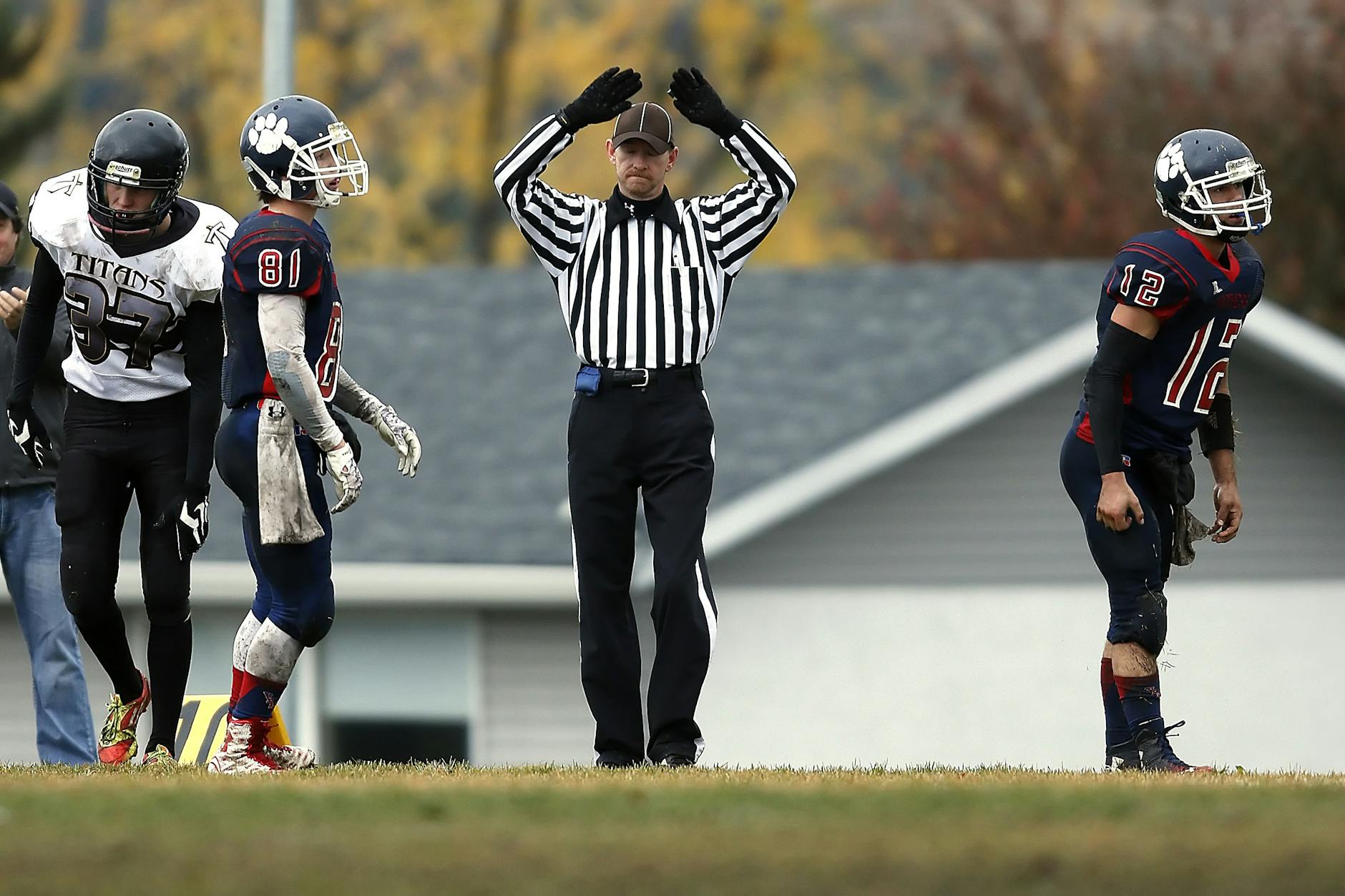
The AFL coachless quarter is a rule requiring clubs to withhold all coaching instructions, including those sent through runners, for one nominated quarter of every match. Players manage their own structure, rotations, and game plan for those roughly 30 minutes. No calls from the box, no messages from the bench, no tactical adjustments. Just 22 players reading the game as it unfolds in front of them.
Why the rule exists
The AFL introduced the coachless quarter concept after years of concern that coaching had become too dominant in the game. By the early 2020s, runner traffic had grown so heavy that some analysts described AFL football as more "coached" than any other field sport in the world. Clubs were using runners, sub appearances, and even medical staff to funnel constant instructions to players mid-play. The concern wasn't tactical sophistication so much as player agency: the fear that footballers were becoming executors of a plan rather than decision-makers in their own right.
The AFL had already tightened the AFL runners rule to restrict how often coaches could send messages onto the ground. The coachless quarter took that logic further by removing the option entirely for a block of time.
How the coachless quarter actually works
Each club nominates which quarter will be their coachless quarter before the match begins. The choice is sealed and submitted to the AFL's match day officials. Clubs don't need to nominate the same quarter, and they don't know which quarter their opponent has chosen until the nomination window closes.
During the coachless quarter, runners cannot take the field. Coaches cannot communicate via radio headsets to players. The medical sub can still cross the boundary line for genuine medical purposes, but any verbal instruction during that crossing is treated as a coaching breach. The umpires and match day officials monitor compliance, and the AFL reviews vision after every game.
Penalty for a breach is a 50-metre penalty awarded at the nearest stoppage, plus a fine issued to the club. Repeat violations within the same season attract draft pick penalties. That's a steep deterrent. Clubs take compliance seriously.
Who nominates which quarter?
Clubs submit their nomination 30 minutes before the first bounce. Most sides nominate the third quarter as their coachless period, partly because the long change at half-time allows coaches to set the game plan in full detail before stepping back. Senior coaches can brief players thoroughly at the half and trust that structure to hold without live adjustments.
Nominating the first quarter is rare but does happen, usually from teams that prefer to let players read the opposition's setup before any coaching input shapes their response. A handful of clubs have experimented with the fourth quarter nomination as a psychological signal: if you trust your players when a game is on the line, it sends a message about culture.
What changes on the field
The most visible shift is in rotation management. Under normal conditions, interchange rotations are driven heavily by the coaching box, with assistant coaches tracking workloads and calling changes. During the coachless quarter, the co-captain or designated on-field leader takes over that responsibility. Most clubs now train specific players in rotation management as a standard part of pre-season preparation.
Structure tends to drift more during coachless periods. Teams that play a highly prescribed defensive zone often find it harder to hold their shape when no one in the box can call a reset. Sides that play a more instinctive, pressure-based game sometimes find the coachless quarter suits them. It depends entirely on the playing list and the leadership group.
The AFL preseason is where clubs now spend real time preparing for this. As covered in the MediaChannel guide to what the AFL preseason involves, conditioning and tactical preparation take up the bulk of the summer period, and coachless quarter simulation drills have become a regular feature of practice matches.
Criticism of the rule
Not everyone in the industry supports it. Some coaches argue it is an artificial constraint on legitimate professional conduct. You wouldn't stop a basketball coach from calling a timeout, the argument goes. Why stop a football coach from guiding his players?
Player welfare advocates raise a different concern. Without the coaching box managing rotations with precision, players in the coachless quarter run higher average workloads. Some sports scientists have pointed to a measurable uptick in soft tissue injuries during coachless quarters, though the AFL's own data on this remains contested.
Supporters of the rule counter that it has produced some of the most compelling football seen in the past two years. When players make decisions without prompting, the game moves faster and more unpredictably. Contested ball increases. Turnovers increase. Scorelines tend to be more volatile in coachless quarters than in coached ones.
How teams adapt their leadership groups
The coachless quarter has elevated the role of the on-field captain significantly. Captains now need to read tactical situations that previously fell to assistant coaches, from recognising when a defensive press is being beaten to deciding when to push an extra player forward. It's a genuine skill set, and clubs now assess it explicitly during draft and trade decisions. Speaking of which, understanding how the AFL draft works helps explain why leadership potential has become a measurable recruiting criterion.
Some clubs have named a "floor general" for each quarter, a player whose primary coachless quarter responsibility is game management rather than direct involvement in the contest. The floor general position doesn't appear in official statistics, but it has become a de facto role on most lists.
The rule in its current form
The coachless quarter has now been part of AFL football long enough to feel normal to most fans. What began as a controversial experiment has settled into the rhythm of the competition. Clubs plan around it. Players train for it. Coaches, whatever their private views, have adapted their preparation to accommodate it. The debate now is less about whether it should exist and more about whether it should expand: some voices within the AFL Players Association have floated the idea of a coachless half, a proposal the competition has so far declined to pursue.