
The AFL preseason draft sits in the gap between the national draft and the start of pre-season training. It doesn't get the television coverage or the Twitter frenzy of the main draft, but for clubs hunting depth and for overlooked players chasing an AFL career, it's a meaningful window. Understanding what the preseason draft actually is, who's eligible, and how clubs use it clears up a lot of confusion that builds up each off-season.
What is the AFL preseason draft?
The AFL preseason draft is a secondary selection event held after the national draft each year. It gives clubs the chance to add players to their rookie lists who weren't chosen during the main national draft. Players who are eligible include those who went unselected in the national draft, delisted free agents who couldn't find a home through the trade period, and some category of players who were previously on rookie lists. The pool is smaller than the national draft, and the selections made here land on the club's rookie list rather than the primary list.
That distinction matters. A rookie list spot is a development position, typically carrying a lower salary than a primary list contract. Players can be promoted from the rookie list to the primary list at any point during the season if a club needs them, which is a pathway that has launched more than a few long careers.
Who can be selected?
Eligibility for the preseason draft covers a specific set of players. Delisted players who weren't picked up during the trade period are the most common entrants. So too are players who nominated for the national draft but went unpicked. International players under certain visa categories can also be accessed through related mechanisms at this stage of the calendar.
Clubs can't simply use the preseason draft to poach contracted players from rivals. Every player available in the pool has either been delisted, not picked, or has otherwise made themselves available. It's a market for players without a club, not a backdoor trade mechanism.
How does the selection order work?
The selection order in the preseason draft generally runs in reverse ladder order, the same logic that governs the national draft. The club that finished last in the previous season picks first. This gives struggling clubs first access to players who might genuinely develop into contributors, which aligns with the AFL's broader goal of keeping the competition balanced.
Clubs don't have to use a selection. If a club's rookie list is full, or if the available players don't fit their needs, they can simply pass. There's no penalty for not picking. In practice, several clubs often pass or make only one or two selections, because the talent pool at this stage is thin and list spots are limited.
How does it connect to the broader list management calendar?
The preseason draft is the final formal mechanism in a long off-season process that begins with the trade period and runs through the national draft. By the time the preseason draft arrives, most of the major moves are done. The AFL trade period is where the big player movements happen. Clubs rearrange their lists, swap picks, and lock in the shape of their squad. The national draft follows, filling rookie and primary list spots with incoming talent. The preseason draft is the clean-up stage: a chance to add one or two more bodies before training camps open.
It's also worth knowing that clubs enter the preseason draft with a fixed number of rookie list spots available. The AFL caps total list sizes, so clubs must have made room before they can make selections. That means some clubs come to the preseason draft with no available spots at all, having already filled their rookie list through the national draft or through rookie elevation during the previous season.
Why do some players fall to the preseason draft?
Several factors push players into the preseason draft pool rather than the national draft. Age is one. Players who are slightly older and seen as less developmental are sometimes passed over in the national draft, where clubs are typically looking for teenagers. Injury histories matter too. A player who missed a full state league season due to injury might have the talent to be a national draft pick, but the medical risk leads clubs to wait and see.
Geographic factors also play a role. Talent from non-traditional football states can fly under the radar of recruiters focused on Victorian and South Australian competitions. The preseason draft gives these players a second look after they've had more time to prove themselves. Understanding how the AFL draft system works as a whole makes it easier to see where the preseason draft fits in the pipeline and why some genuinely capable players end up there rather than in the main event.
Have any notable players come from the preseason draft?
Yes, though it's rarely publicised. Plenty of players who went on to have solid AFL careers were initially picked up through the preseason draft rather than the national draft. For every player taken in round one with fanfare, there are others who arrived quietly through the preseason process and quietly built careers over several seasons. Clubs that do their homework on the preseason draft pool can occasionally find genuine value, particularly players who are physically ready but lacked exposure in their junior years.
The AFL draft combine plays a role here too. Players who perform well at the combine but don't get selected in the national draft often attract preseason draft interest, because clubs have hard data on their athleticism even without a full season of recent form to assess.
What happens after the preseason draft?
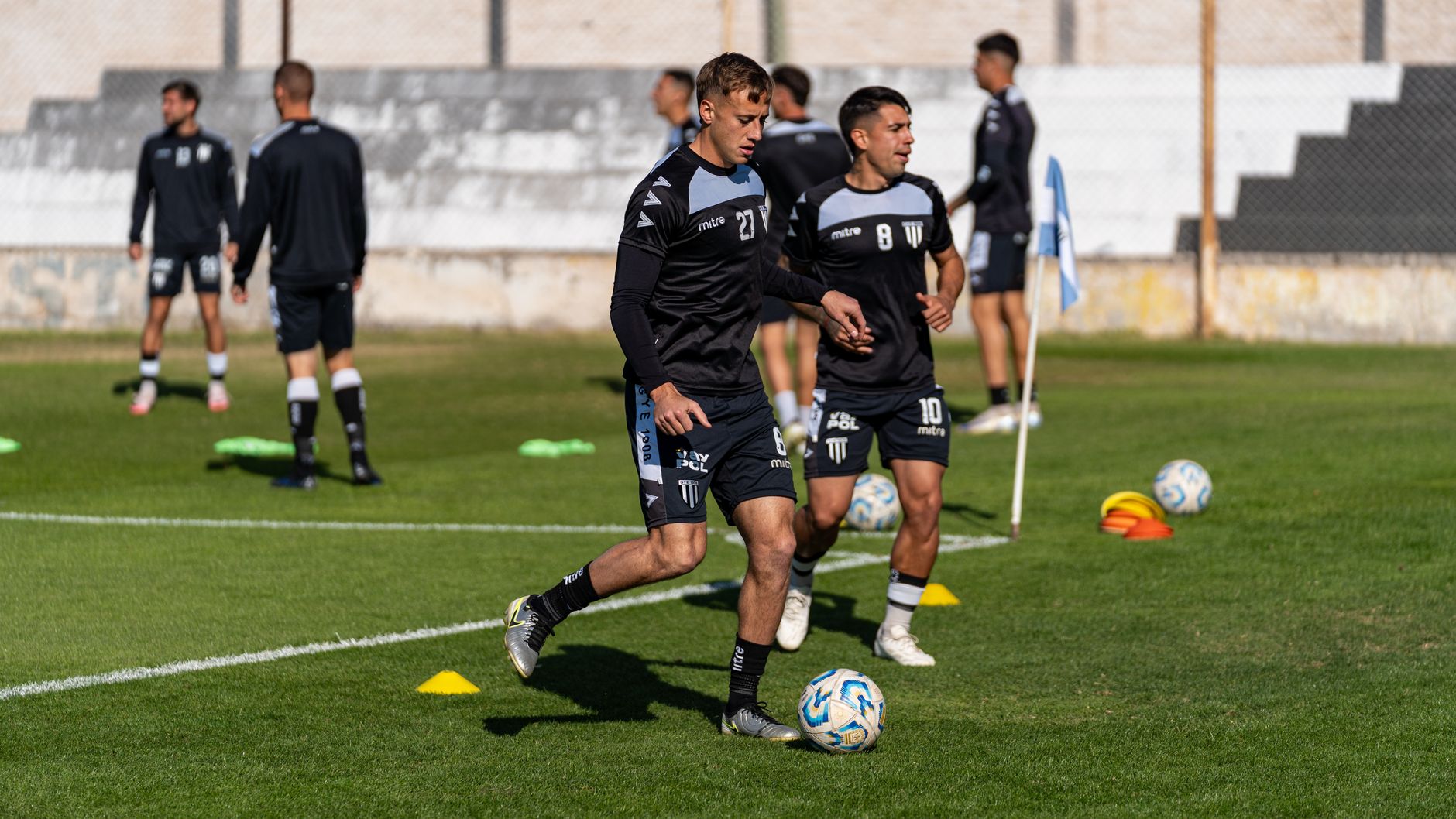
Players selected in the preseason draft join their new club's rookie list and begin pre-season training with the group. From that point, their path is the same as any other rookie: train, develop, work for a senior call-up. The AFL preseason is a long block of fitness work, match simulations, and intra-club trials. It's the period where preseason draft selections either make a case for regular inclusion or settle into a development role for the year ahead.
Rookies can be promoted to the primary list at any point during the season if a club needs cover. Promotion moves them onto a higher salary and makes them eligible to play senior football without being on the rookie list allocation. Conversely, a player who doesn't make the cut can be delisted at season's end and may find themselves back in the preseason draft pool the following year. The cycle is real, and for some players it takes two or three bites at it before they secure a foothold.
The preseason draft won't replace the national draft as the centrepiece of AFL list management. But for the players in that pool and the clubs with a spare rookie spot and a sharp-eyed recruiter, it's a window worth watching closely.